Flat Roof Replacement in Deer Park from $5. $5 to $14 a square foot, and on this coast the perimeter is the whole specification. Free inspection and a written quote.
Post-war attached garages and rear additions, generally large, simple and easy to reach, which keeps this work cheap and predictable. The fault to watch for is a wide area built dead level, which ponds however good the membrane is.
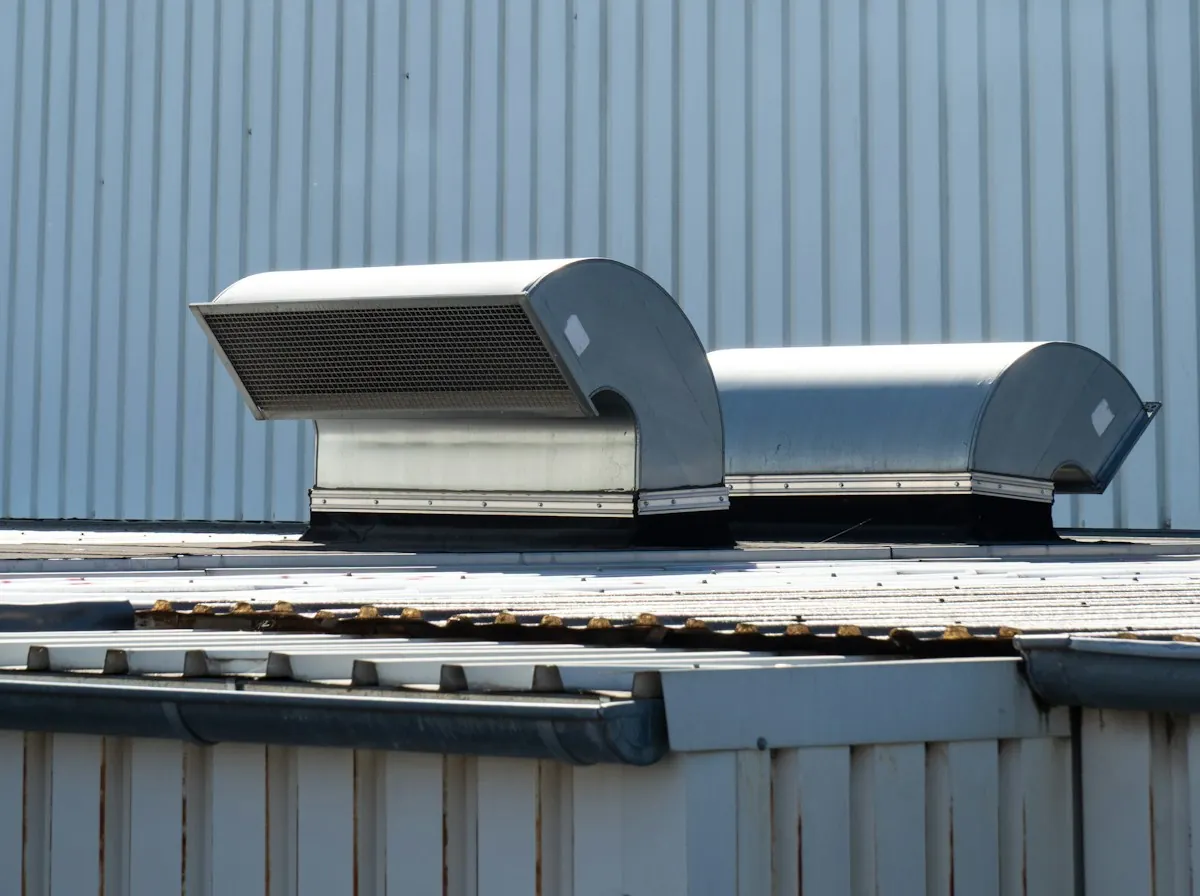
Flat roofing installs at $5 to $14 per square foot: EPDM at $5 to $9 and TPO at $6 to $12. Most of the low-slope roofing on houses here is a rear addition, a porch, a carport or a garage sitting beside a pitched roof, and draining onto or through it.


Flat roofing installs at $5 to $14 per square foot: EPDM at $5 to $9 and TPO at $6 to $12. On this coast the perimeter is the specification -- uplift concentrates at edges and corners, and once an edge lifts the wind gets underneath and the rest follows quickly. Inland of Highway 146 and further from the water, which softens the exposure and may change the certification position. Simple, consistent, accessible roofs make this the cheapest and most predictable work in the service area.
A simple rectangle with a real fall, at accessible height, draining somewhere sensible. Most post-war additions and carports qualify.
Mechanical perimeter fixing, which is not optional here, and junctions where a low-slope roof meets a wall or a pitched plane. Those details are the job.
Drainage. This coast delivers rain in quantity over short periods, so outlets sized for an average shower back up in a real one -- and standing water on a membrane being lifted at the edges is two problems meeting.
Further from the water and inland of Highway 146, which changes the exposure and may change the certification position. The roofs themselves are the easiest in this service area to price accurately -- simple, accessible, and consistent street to street.
Inland enough that the wind argument softens, and a separate city with its own permit process either way.
Worth knowing before you start ringing round, particularly after a blow.
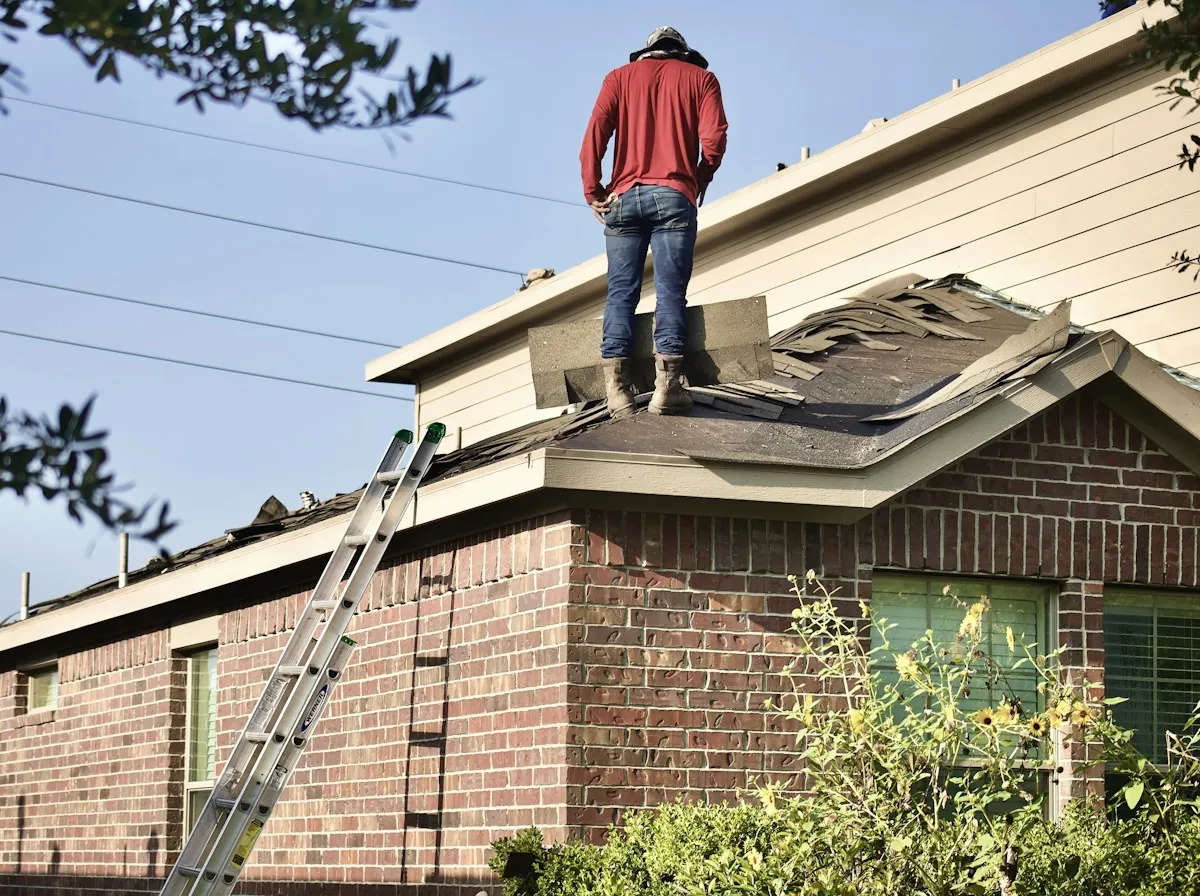
Wind on this shore does not arrive politely spread across the year. It comes through in systems, and when one does, entire subdivisions lose edges in the same afternoon. That is when every crew between here and Houston is busy, and it is also when the most people knock on doors offering to start tomorrow.
Inland of Highway 146 and further from the water, which softens the exposure argument and may change the certification position.
Simple planes, good access and consistent geometry make this the cheapest shingling in the service area per square foot, and the easiest place to see whether you are being quoted architectural at $6.00 to $9.00 or three-tab nearer $4.50 for a similar-looking total..
Inland and simple, so metal here is a lifespan and appearance decision rather than a wind one.
150 mph, nails not staples, certified in 30 days.
1970s-90s streets under oaks, aging together.
Mixed-age stock, much of it older than the spec.
Nothing between these roofs and the bay.
More planes, more perimeter, more to fasten.
Its own city, exposed, and heavy oaks overhead.
A headland with open water on two sides.
Asked on every job of this kind. Answered here.
Because wind uplift concentrates at edges and corners rather than in the middle of a roof. A membrane that is merely adhered starts to go there, and once an edge lifts the wind gets underneath and the rest follows quickly. Mechanical perimeter fixing is the design here, not an upgrade.
Not in itself -- water that clears within a day or two of rain is normal. Water still there a week later is a seam being tested continuously, and it usually means the fall does not actually run or the outlet is not at the low point.
It is a Florida rule and it has no force in Texas. The 25% rule comes from the Florida Building Code Existing Building, where repairing or replacing more than a quarter of a roof within a year can trigger a requirement to bring the whole roof up to current code. Texas has no equivalent provision, and La Porte's requirements are set out in its own roofing policy instead. Anyone quoting the 25% rule at you in Texas is citing the wrong state's code book.
No. Texas issues no roofing license at all -- the state licenses electricians, plumbers and air conditioning contractors, and has never licensed roofers. La Porte does not register them either, so there is no local list to check. What exists here instead is better suited to the question you are actually asking: a permit, a specification the roof has to meet, and a certification letter from a Texas licensed engineer or an ICC Certified Coastal Construction and Floodplain Inspector within 30 days of the permit issuing. That certificate describes your actual roof rather than the firm that fitted it.
In the Houston area most re-roofs run $7,500 to $16,500 in architectural asphalt, and a house with 2,000 to 2,500 square feet of roof area typically lands at $10,500 to $14,000. Per square foot that is $6.00 to $9.00 for architectural and $4.50 to $7.50 for three-tab. Coastal work sits toward the upper end of those ranges, because the fastening specification takes more labor -- not because the materials cost more.
Shingles specified to the 150 mph rating the city requires. Nails to the manufacturer's pattern, never staples.