Flat Roof Replacement in La Porte from $5. $5 to $14 a square foot, and on this coast the perimeter is the whole specification. Free inspection and a written quote.
$5 to $14 a square foot, EPDM $5 to $9 and TPO $6 to $12. On this coast the perimeter is the whole specification: uplift concentrates at edges and corners, and a membrane that is merely adhered starts to go there. Mechanically fixing the perimeter is the design, not a refinement.
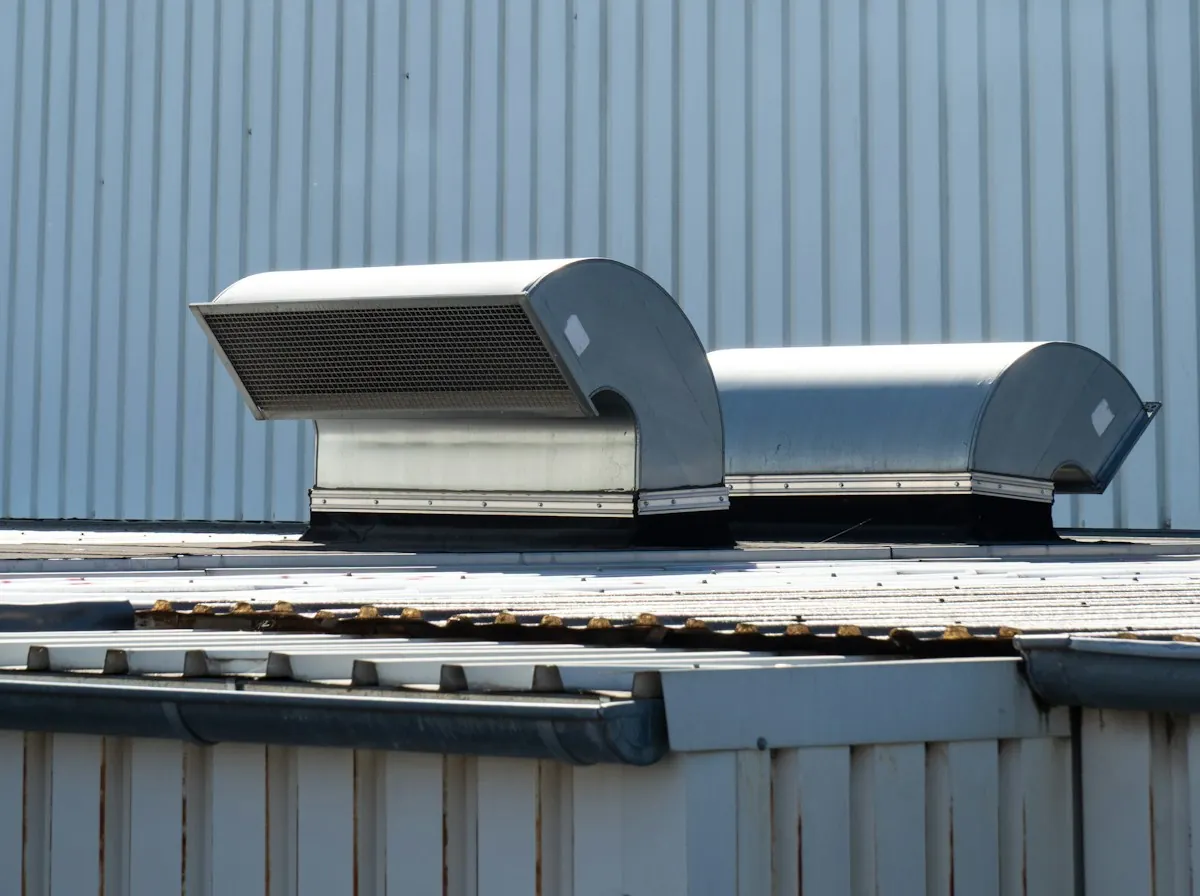
Flat roofing installs at $5 to $14 per square foot: EPDM at $5 to $9 and TPO at $6 to $12. Most of the low-slope roofing on houses here is a rear addition, a porch, a carport or a garage sitting beside a pitched roof, and draining onto or through it.


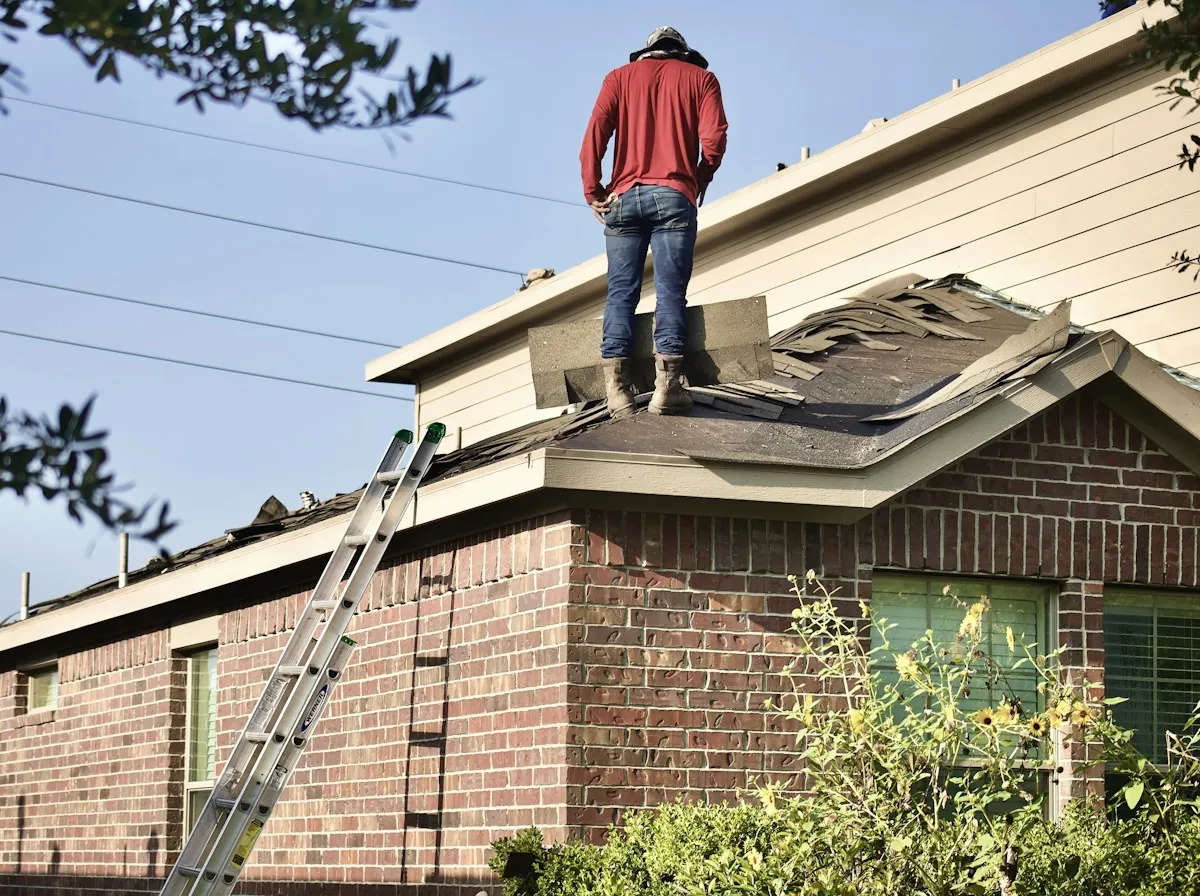
Flat roofing installs at $5 to $14 per square foot: EPDM at $5 to $9 and TPO at $6 to $12. On this coast the perimeter is the specification -- uplift concentrates at edges and corners, and once an edge lifts the wind gets underneath and the rest follows quickly. Two things sit on top of the $10,500 to $14,000 a typical roof costs. The specification -- 150 mph shingles and nailing to the manufacturer's pattern, which costs a little more in labor and nothing in materials. And the certification, which is a real line rather than a formality.
A simple rectangle with a real fall, at accessible height, draining somewhere sensible. Most post-war additions and carports qualify.
Mechanical perimeter fixing, which is not optional here, and junctions where a low-slope roof meets a wall or a pitched plane. Those details are the job.
Drainage. This coast delivers rain in quantity over short periods, so outlets sized for an average shower back up in a real one -- and standing water on a membrane being lifted at the edges is two problems meeting.
The coast sets the specification: 150 mph shingles, nails rather than staples to the manufacturer's pattern, and a certification letter to the city within 30 days of the permit. There is no contractor register here, so that certificate is the protection.
Highway 146 runs through this city, and which side of it a house is on can change what certification applies.
Wind is what makes a flat roof different on the bay shore. Uplift concentrates at the perimeter and at corners, which is precisely where a membrane that is merely adhered will start to go, and once an edge lifts the wind gets underneath and the rest follows quickly. Mechanically fixing the perimeter is not a refinement here, it is the design.
Neither takes more than a moment to ask, and the answers tell you most of what you need to know.
A permit is required and a completed certification letter has to reach the city within 30 days of it issuing, from a Texas licensed engineer or an ICC Certified Coastal Construction and Floodplain Inspector. Agree that before work starts. A roof that will not certify is a problem discovered a month too late.
The city does not register roofing contractors, and Texas issues no roofing license. That is not a scandal, it is just how it works here, and it means the usual reassurances are worth nothing. The certificate describes your actual roof, which is a better document than a credential describing a firm.
Properties east of it fall under an additional state windstorm certification step that properties west of it do not. The road runs through this service area roughly parallel to the shore, so it is a real question -- and the city will confirm it rather than you guessing from a map.
$10,500 to $14,000 on a typical 2,000 to 2,500 square foot roof.
$6.00 to $9.00 a square foot for architectural, $4.50 to $7.50 for three-tab.
A reasonable coastal answer with an honest trade: substantially more up front, substantially longer life.
1970s-90s streets under oaks, aging together.
Mixed-age stock, much of it older than the spec.
Nothing between these roofs and the bay.
More planes, more perimeter, more to fasten.
Its own city, exposed, and heavy oaks overhead.
A headland with open water on two sides.
Inland, west of 146, and the simplest roofs here.
Asked on every job of this kind. Answered here.
Because wind uplift concentrates at edges and corners rather than in the middle of a roof. A membrane that is merely adhered starts to go there, and once an edge lifts the wind gets underneath and the rest follows quickly. Mechanical perimeter fixing is the design here, not an upgrade.
Not in itself -- water that clears within a day or two of rain is normal. Water still there a week later is a seam being tested continuously, and it usually means the fall does not actually run or the outlet is not at the low point.
No. Texas issues no roofing license at all -- the state licenses electricians, plumbers and air conditioning contractors, and has never licensed roofers. La Porte does not register them either, so there is no local list to check. What exists here instead is better suited to the question you are actually asking: a permit, a specification the roof has to meet, and a certification letter from a Texas licensed engineer or an ICC Certified Coastal Construction and Floodplain Inspector within 30 days of the permit issuing. That certificate describes your actual roof rather than the firm that fitted it.
In La Porte, yes -- a roof replacement needs a permit whether you are hiring somebody or doing it yourself. Texas has no statewide answer to this because permitting is municipal, which is why the question keeps getting answered badly online. Doing it yourself also does not exempt the roof from the specification: the 150 mph shingle requirement and the nails-not-staples rule apply to the roof, not to who fitted it, and the certification letter still has to reach the city inside 30 days.
For a standard asphalt roof on an average Houston-area house, yes -- that is roughly double the $10,500 to $14,000 most land at. It is not unreasonable for a large house, a complicated multi-plane roof, or a standing seam metal system, all of which exist in this service area. The number alone does not answer the question; what the quote itemizes does. If it does not break out area, perimeter, decking and the certification, you cannot tell.
Shingles specified to the 150 mph rating the city requires. Nails to the manufacturer's pattern, never staples.