Roof Replacement in Lomax from $7,500. $10,500 to $14,000 on a typical Houston-area roof -- built to a 150 mph rating, nailed not stapled, and certified afterwards. Free inspection and a written quote.
A genuinely mixed-age area, so the first question is how many coverings are already up there rather than what the new one should be. Two is the practical ceiling. Older Lomax houses also predate the current wind requirements by some margin, which makes a replacement here an upgrade rather than a like-for-like.
Most Houston-area re-roofs run $7,500 to $16,500 in architectural asphalt, and a house with 2,000 to 2,500 square feet of roof area typically lands at $10,500 to $14,000. Per square foot that is $6.00 to $9.00 for architectural against $4.50 to $7.50 for three-tab.


Most Houston-area re-roofs run $7,500 to $16,500 in architectural asphalt, and a house with 2,000 to 2,500 square feet of roof area typically lands at $10,500 to $14,000. On the bay shore, add the specification: 150 mph shingles, nails rather than staples, and a certification letter within 30 days of the permit. Mixed-age stock means the number moves on history rather than geometry. A second covering to strip, a deck that has been carrying two layers for twenty years, or a fastening that predates the current requirement -- any of the three changes the figure.
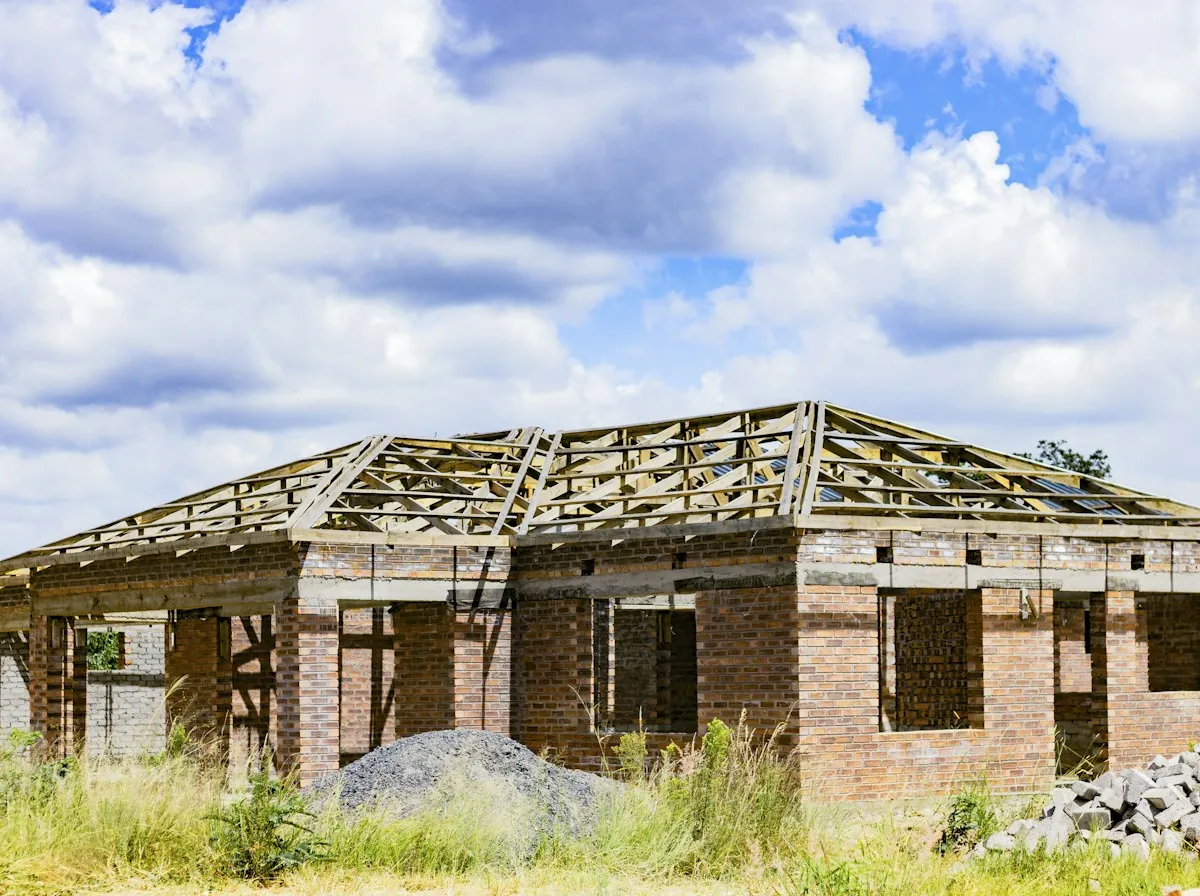
A simple roof shape with few planes, good access, one existing layer to come off, and a deck that turns out sound. The inland subdivisions tick most of those.
Perimeter. Every additional roof plane is another set of rakes, eaves and ridges to fasten properly, and on this coast the perimeter detail is not the place to economize. Exposure adds to it again down by the water.
How decking replacement is priced. It belongs in the scope as a rate per sheet, because nobody knows how much has softened until the covering is off.
A long-established La Porte community inland from the bay, with its own school and a history older than most of the subdivisions around it.
A wider age range than the newer subdivisions -- older detached houses alongside later infill, on larger and less uniform plots.
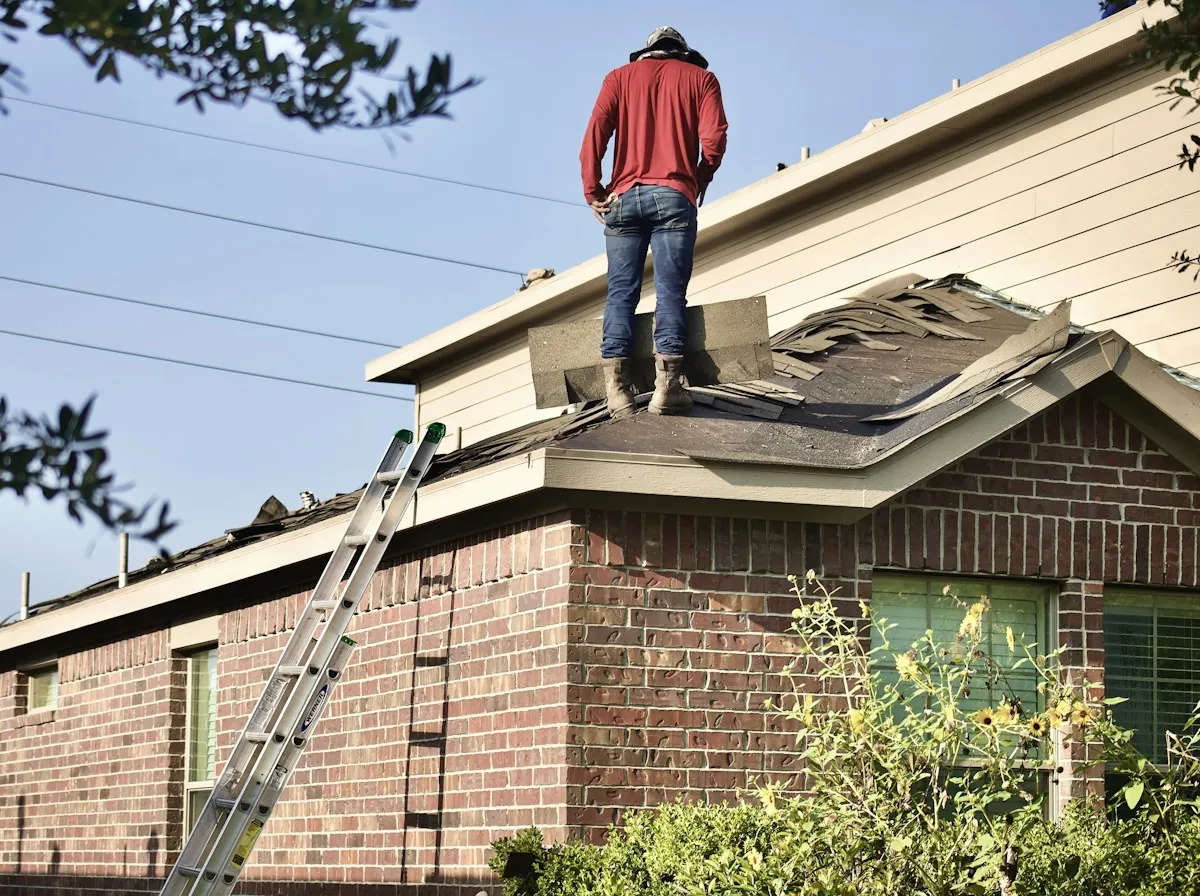
A mixed-age area is where the layer count question is most worth asking, because some of this stock has been re-roofed more than once and some has not been touched. Two coverings is the practical ceiling, and a roof already at two is a tear-off whatever anybody quotes.
Older houses inland were built before the current wind specification existed, so what is up there now may not be what would be permitted today.
Neither takes more than a moment to ask, and the answers tell you most of what you need to know.
The city requires asphalt shingles to be fixed with NAILS -- not staples -- and nailed in accordance with the manufacturer's printed instructions. A high wind rating on the bundle assumes that pattern. Somebody working to this coast's requirements answers this instantly; somebody who does inland work hesitates.
The city does not register roofing contractors, and Texas issues no roofing license. That is not a scandal, it is just how it works here, and it means the usual reassurances are worth nothing. The certificate describes your actual roof, which is a better document than a credential describing a firm.
Properties east of it fall under an additional state windstorm certification step that properties west of it do not. The road runs through this service area roughly parallel to the shore, so it is a real question -- and the city will confirm it rather than you guessing from a map.
Replacing shingles on an older Lomax house usually means moving from whatever was acceptable when it went on to what the city requires now, which is a genuine upgrade in wind performance rather than a like-for-like swap.
On an older house the question before the material is the structure: metal is lighter than tile but the fixing pattern has to land in something solid, and on a deck that has been through two coverings that is not a given.
Older additions often carry a membrane laid over a tired built-up roof that nobody has taken off, which means the new covering inherits every defect beneath it.
150 mph, nails not staples, certified in 30 days.
1970s-90s streets under oaks, aging together.
Nothing between these roofs and the bay.
More planes, more perimeter, more to fasten.
Its own city, exposed, and heavy oaks overhead.
A headland with open water on two sides.
Inland, west of 146, and the simplest roofs here.
Asked on every job of this kind. Answered here.
The permit is taken out before the work, and within 30 days of it issuing a completed certification letter has to reach the city, signed by a Texas licensed engineer or an ICC Certified Coastal Construction and Floodplain Inspector. Agree who is signing yours before anybody starts, because a roof that will not certify is a problem found a month late.
Only over one existing layer, on a sound deck -- and here there is an extra reason not to. An overlay buries the existing fastening, so if the roof underneath was stapled you now have a new covering fixed to a layer that is itself under-fixed. On a bay-shore roof that is the wrong saving.
In the Houston area most re-roofs run $7,500 to $16,500 in architectural asphalt, and a house with 2,000 to 2,500 square feet of roof area typically lands at $10,500 to $14,000. Per square foot that is $6.00 to $9.00 for architectural and $4.50 to $7.50 for three-tab. Coastal work sits toward the upper end of those ranges, because the fastening specification takes more labor -- not because the materials cost more.
For a standard asphalt roof on an average Houston-area house, yes -- that is roughly double the $10,500 to $14,000 most land at. It is not unreasonable for a large house, a complicated multi-plane roof, or a standing seam metal system, all of which exist in this service area. The number alone does not answer the question; what the quote itemizes does. If it does not break out area, perimeter, decking and the certification, you cannot tell.
Nobody selling roofs is a neutral source on that, so here is what is actually known rather than a forecast. Roofing prices follow asphalt and steel input costs, freight, and local labor availability, and along this coast they spike for months after any significant wind event because demand arrives all at once. What that means practically is that the cheapest time to replace a roof is when you choose to, and the most expensive is the two weeks after half the neighborhood decides at the same time.
Shingles specified to the 150 mph rating the city requires. Nails to the manufacturer's pattern, never staples.